
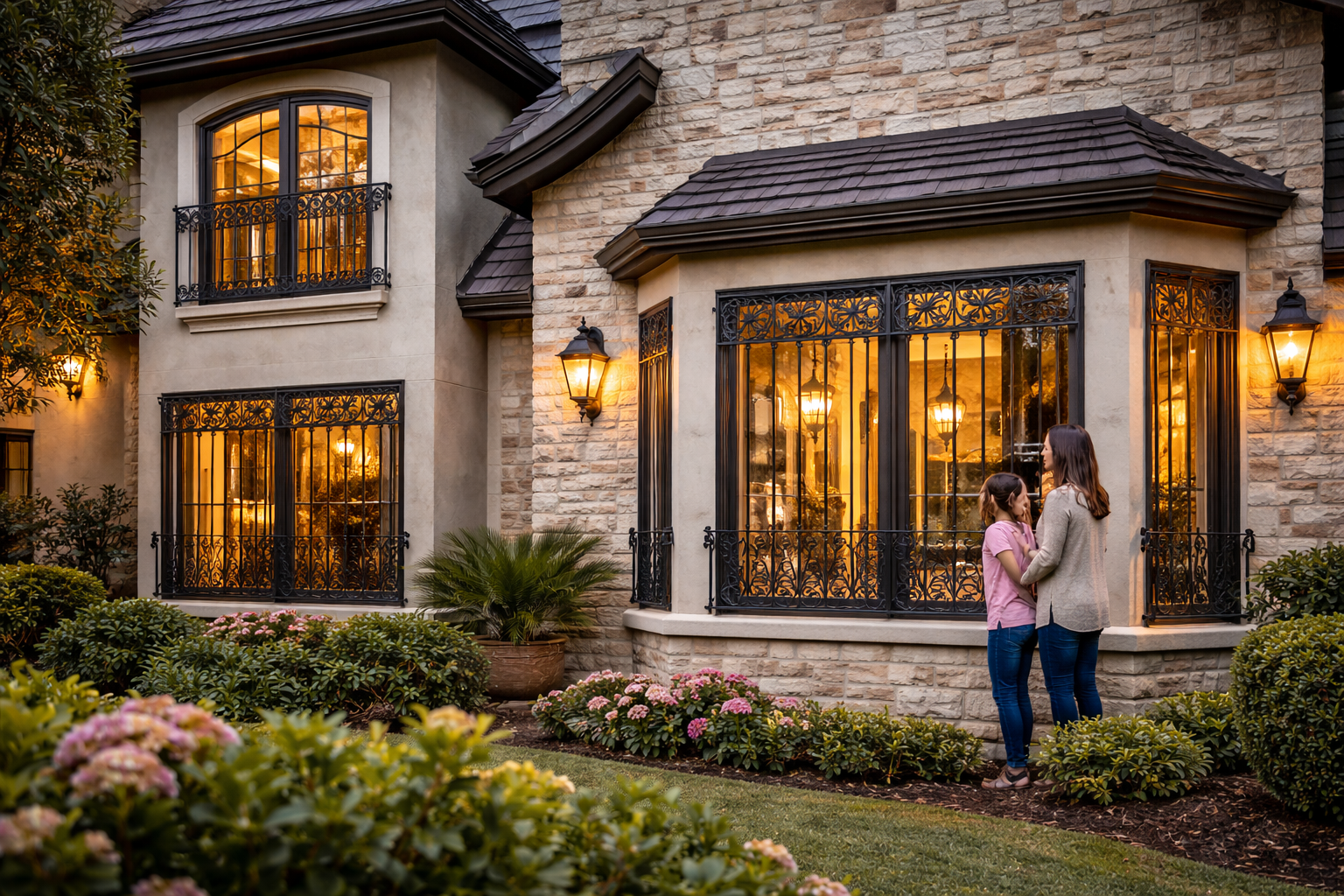
When homeowners start thinking about window security, the first question is usually what kind of guard to choose. But honestly, an equally important question is where those guards should go in the first place. Placement makes a big difference. The right locations can improve safety, protect the most vulnerable parts of the home, and still keep the exterior looking clean and inviting. Poor placement, on the other hand, can make the house feel visually heavy or leave key areas less protected than they should be.
That is why many homeowners looking into wrought iron window guards El Paso TX are not just thinking about design anymore. They are also thinking about strategy. The goal is not to cover every single window just because it is possible. The goal is to make smart choices that improve peace of mind while still respecting the look, feel, and function of the home.
At HF Iron Works & Fence LLC, window guards work best when they are approached as part of the overall design of the property, not just as an afterthought. A well-planned setup should make the home feel safer without making it feel closed off. It should look intentional, practical, and balanced.
Start With the Most Vulnerable Windows
Not every window carries the same level of risk. Some are naturally more exposed because of their location, visibility, or ease of access. Ground-level windows are usually the first place homeowners should focus. These tend to be the most reachable from the outside and often benefit the most from extra protection.
Windows that face side yards, alleys, or less visible parts of the property also deserve attention. These areas may not get as much street visibility, which can make them feel a little more vulnerable. The same goes for backyard windows, especially if fencing or landscaping creates more privacy from public view.
A smart place to start is by identifying windows that are:
- Easy to reach from the ground
- Hidden from the street or neighbors
- Located near gates or side access points
- Close to patios, walls, or climbable surfaces
- Positioned in parts of the home that feel less visible overall
When you begin with those areas, the security plan becomes more focused and more practical.
Front-Facing Windows Need a Balance Between Safety and Appearance
Front-facing windows can be tricky. On one hand, they are visible and may need protection just like any other opening. On the other hand, they play a big role in curb appeal. They help shape the first impression of the home, so whatever you install there needs to look good from the street.
That is where custom window guards can really make a difference. A custom design allows the guards to match the size, shape, and style of the windows instead of looking like a generic add-on. This helps the front of the home feel polished rather than overprotected.
For front-facing windows, homeowners usually want guards that:
- Complement the home’s architecture
- Keep the entry area looking welcoming
- Add security without blocking too much light
- Maintain a clean visual rhythm across the façade
- Feel like part of the home’s design, not an emergency fix
This is one of those areas where thoughtful design matters just as much as function.
Bedroom Windows Require Extra Planning
Bedroom windows deserve special attention because safety here works in two directions. Yes, homeowners want protection from the outside, but they also need to think about safe exit access from the inside. This is especially important for ground-floor bedrooms or any sleeping space that may need an emergency escape route.
That does not mean bedroom windows should be ignored. It just means they should be planned more carefully. Some bedroom windows may be a priority for added protection based on their location, but the type of guard installed needs to reflect how that room is actually used.
This is where quick-release window guards become especially important. These are designed to provide protection while still allowing the window to be opened from inside in an emergency. For many homeowners, that balance is exactly what makes a guard system feel truly smart instead of just restrictive.
When evaluating bedroom windows, it helps to think about:
- Whether the window may be needed for emergency exit
- Who in the home needs to operate the release system
- How easy the mechanism is to use
- Whether the room is on the ground floor
- How the guard affects ventilation and natural light
Bedroom security should never come at the expense of interior safety.
Side and Backyard Windows Are Often Overlooked
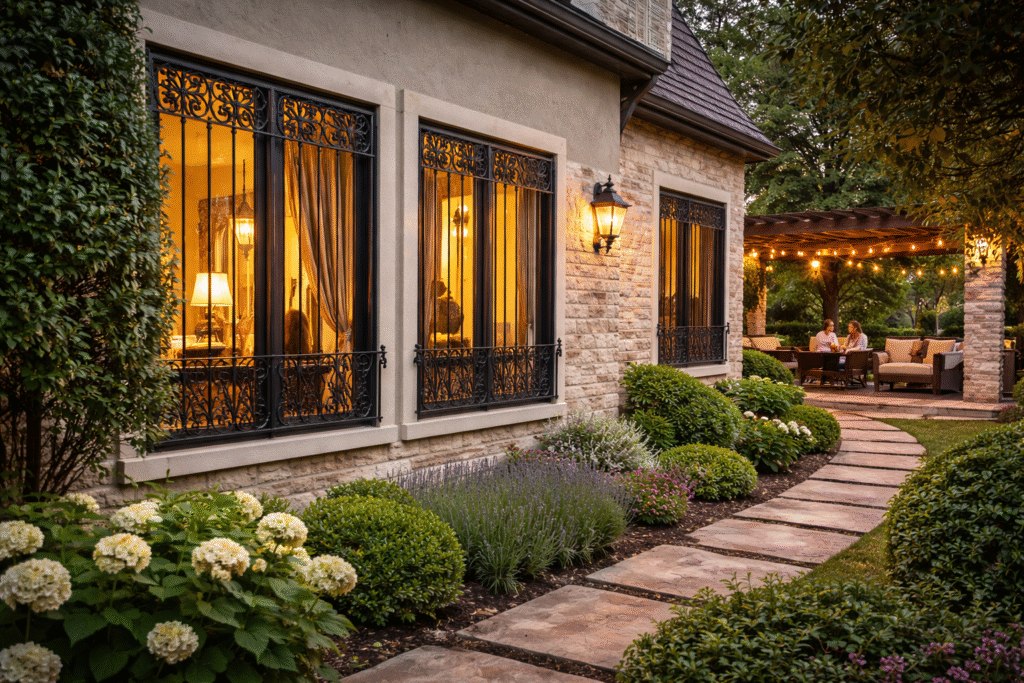
A lot of homeowners focus heavily on the front of the home because that is what they see most often. But side and rear windows are often the ones that need the most attention. These openings can be less visible from the street, easier to approach without being noticed, and sometimes closer to fences, gates, or structures that make access simpler.
That is why these areas often benefit from stronger window protection solutions. In many cases, side-yard windows and backyard windows are where a practical security upgrade delivers the most value. These placements can help homeowners feel more comfortable without altering the look of the front elevation too much.
Good candidates for guards often include:
- Windows near side gates
- Openings facing narrow side yards
- Rear windows near patios or outdoor structures
- Garage-side windows
- Windows partially hidden by landscaping or walls
These areas may not draw much attention visually, but from a security standpoint, they are worth a close look.
Style Still Matters, Especially on Visible Areas
A lot of people worry that adding guards will make the house look harsh or outdated. That concern is understandable, but it usually comes down to design, not the idea of window guards itself. With the right style, guards can look clean, attractive, and completely in sync with the home.
For houses where appearance matters just as much as function, decorative window security bars can be a strong option. They provide an extra layer of protection while also adding visual detail to the exterior. Instead of making the house look severe, they can help it feel more finished and intentional.
This can work especially well on:
- Front windows with architectural visibility
- Homes with traditional or Mediterranean styling
- Exteriors that already feature ornamental metal accents
- Entry-side windows that frame the front door area
- Properties where symmetry and detail matter
The key is keeping the design balanced. Too much detail can overwhelm the exterior, while the right amount can enhance it.
Modern Homes Usually Need a Simpler Look
Not every home can carry ornamental metalwork gracefully. Contemporary homes, updated exteriors, and minimalist properties usually look better with cleaner lines and more restrained detailing. In these cases, the placement of window guards still matters, but the design approach changes.
That is where modern iron window guards tend to work best. These styles usually rely on straightforward geometry, slimmer profiles, and a more architectural look. They protect the windows without making the home feel heavy or overly defensive.
For modern homes, window guards often work well on:
- Large front windows with strong rectangular lines
- Side windows that need security without visual clutter
- Ground-floor openings near minimalist landscaping
- Updated stucco exteriors with dark trim
- Properties with sleek, understated design elements
The best modern guard designs almost disappear into the architecture. They do their job without pulling too much attention.
Think About Symmetry and Visual Balance
One thing homeowners sometimes overlook is how window guards affect the overall look of the exterior. Even if each individual guard looks nice, the house can feel visually off if placement is inconsistent. That is why it helps to step back and think about the property as a whole.
You do not always need guards on every window. But when guards are visible from the street, they should feel balanced. If one front window has a guard and the matching window does not, it can look unfinished unless there is a clear reason for the difference. Placement should make sense both functionally and visually.
As you plan, keep in mind:
- Which windows are visible together from the street
- Whether matching windows should have a consistent treatment
- How the guards align with doors, trim, and exterior lines
- Whether the design feels intentional across the façade
- How much metalwork the home can visually support without feeling crowded
Good placement is not just about protection. It is also about making the security upgrade look natural.
The Best Plan Is Specific to Your Home
Every home has a different layout, different visibility issues, and different priorities. Some homeowners want maximum protection on the most accessible openings. Others want a lighter touch that focuses on a few strategic areas. Some care deeply about preserving the look of the front façade, while others are more concerned with securing side and rear spaces.
That is why the best placement plan is always the one that responds to the actual home, not a one-size-fits-all checklist. The smart move is to look at where the home feels most exposed, where guards would help the most, and how those additions can work with the architecture instead of against it.
A thoughtful plan often comes down to three simple goals:
- Protect the openings that matter most
- Keep the home looking open and well designed
- Make sure safety works from both outside and inside
When those three things come together, window guards stop feeling like a compromise and start feeling like a smart upgrade.
Final Thoughts
The best place to install window guards is not necessarily everywhere. It is wherever they can add the most protection without disrupting the comfort, appearance, and functionality of the home. A smart approach focuses on vulnerable areas, respects emergency access, and keeps the exterior looking balanced and intentional. When placement is handled thoughtfully, window guards can support both safety and style in a way that feels practical, natural, and well considered.