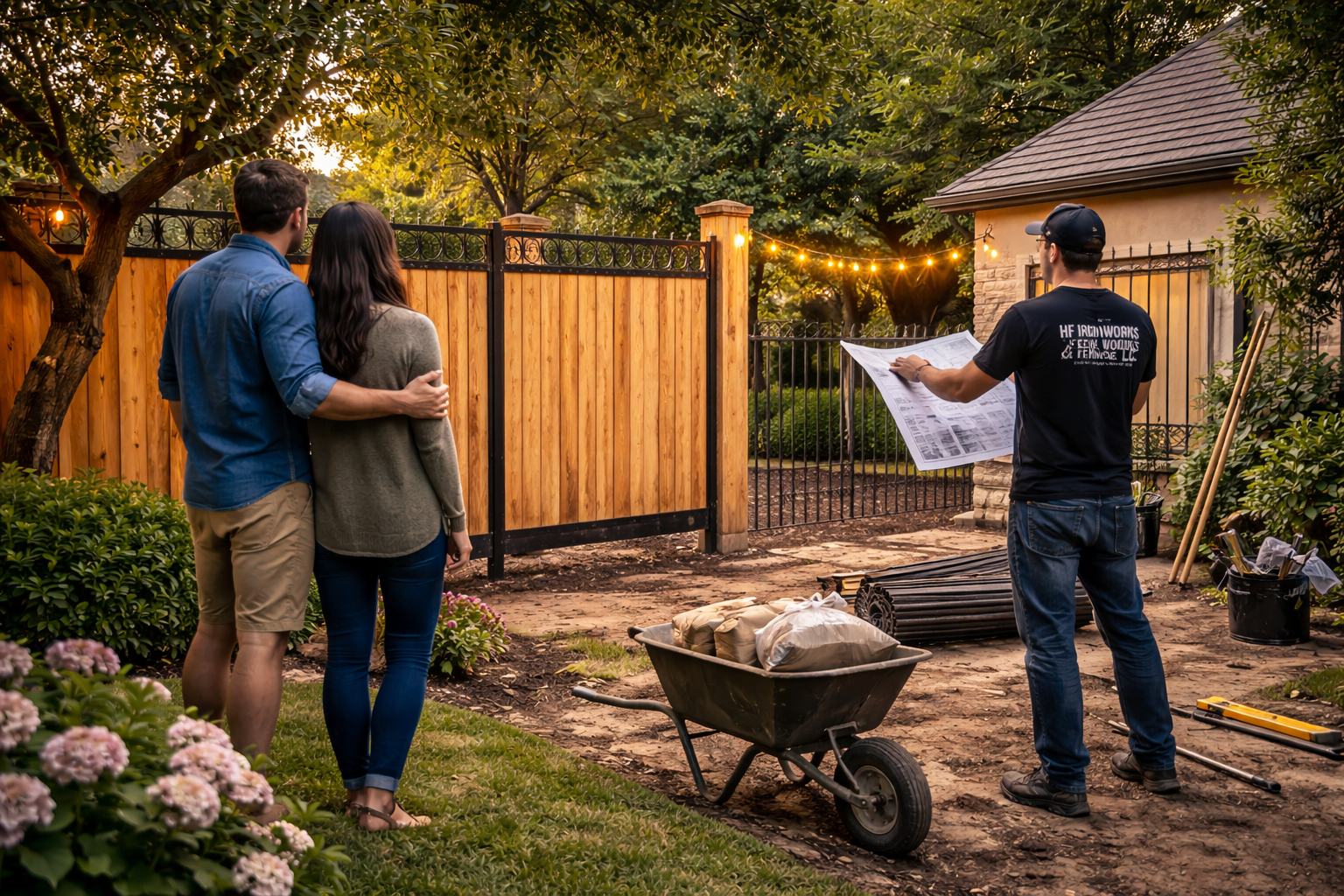
Putting up a new fence sounds pretty straightforward at first. Pick a material, choose a height, mark the property line, and get it installed. But once you really get into it, you realize there is a lot more to think about. A fence affects how your home looks, how your yard functions, how much privacy you get, and how secure the property feels day to day. It is not just a boundary. It becomes part of how you live in the space.
That is why homeowners planning fence installation El Paso TX usually benefit from slowing down and thinking through the details before making a final decision. The best fence is not always the one that looks the nicest in a photo or the one with the lowest upfront cost. It is the one that fits your property, your priorities, and the way you actually use your outdoor space.
At HF Iron Works & Fence LLC, a fence project works best when it is approached with both function and appearance in mind. You want something that makes sense on paper, but you also want something that feels right once it is actually part of your home. Before moving forward, here are some of the biggest things worth considering.
Start With the Real Purpose of the Fence
Before comparing materials or designs, it helps to get very honest about why you want a fence in the first place. Some homeowners want more privacy. Others want better security. Some are trying to contain pets, create a safer yard for kids, or simply make the property feel more defined and finished.
That first reason matters more than people expect because it shapes almost every other decision that follows. A fence meant to improve curb appeal may look very different from one designed mainly for backyard containment. A fence focused on visibility and style may not be the same as one meant to create a stronger barrier.
A few questions that can help clarify your goal are:
- Do you want more privacy, more security, or both?
- Are you fencing the front yard, backyard, or the full perimeter?
- Is appearance just as important as function?
- Do you need to keep pets or children safely enclosed?
- Are you trying to block views, define lines, or protect access points?
When you understand the main purpose clearly, the rest of the planning gets much easier.
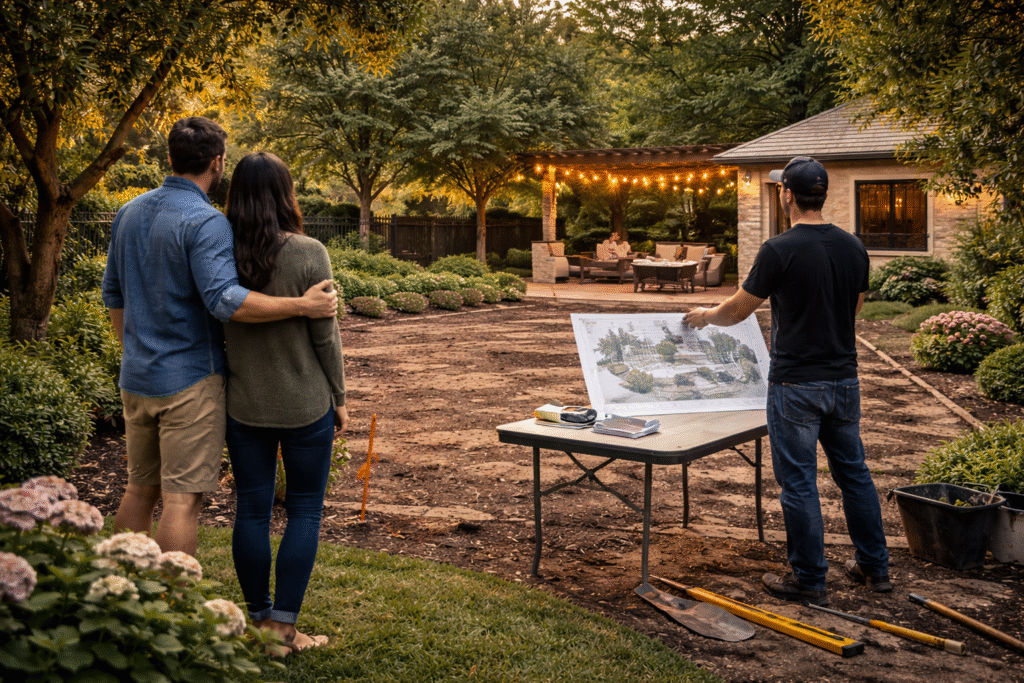
Material Choice Changes Everything
One of the biggest decisions in any fence project is the material. It affects the look, maintenance, strength, visibility, and overall feel of the property. This is usually where homeowners start weighing style against practicality.
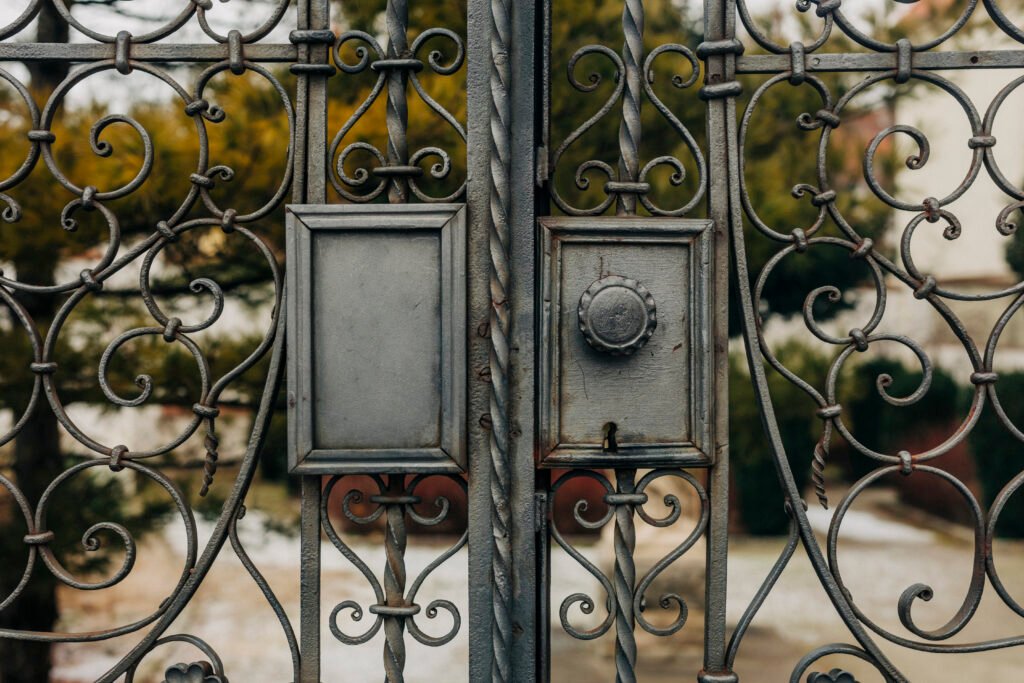
For example, a wrought iron fence is often chosen by people who want something more decorative, durable, and visually polished. It gives a home a stronger architectural look and creates a clear boundary without making the space feel completely closed off. That can be a big plus if you want security and definition while still preserving the appearance of the front of the house.
On the other hand, homeowners looking for a simpler and more functional option often consider chain link fence El Paso for larger areas, side yards, backyards, or spaces where budget and coverage matter more than decorative impact. It is practical, straightforward, and often a good fit when the priority is enclosure without a lot of added detail.
Each material comes with its own strengths, so the right choice depends on what matters most to you.
Layout Matters More Than Most People Expect
A fence is not just about the panels or the posts. The layout itself plays a huge role in how successful the finished project will be. Even a high-quality fence can feel awkward if the design does not work well with the shape of the lot or the way the property is used.
The layout should take into account how people move through the space, where gates make the most sense, and which areas need to feel open versus enclosed. A fence that looks great from the street but creates awkward traffic flow in the yard is not really doing the job well.
When planning layout, it helps to think about:
- Gate placement for daily access
- Driveway entry and side-yard access
- Corners, slopes, and uneven ground
- Visibility from the street and from inside the house
- How the fence interacts with landscaping or outdoor features
This is often where custom fencing solutions become especially valuable. A custom approach allows the design to respond to the actual property instead of forcing a basic layout onto a space that may need something more thoughtful.
Security Is Not Just About Height
A lot of people assume that the taller the fence, the more secure it is. Height can help, sure, but it is only one part of the picture. Real security comes from the overall design, the strength of the structure, and how the fence works with the rest of the property.
This is where residential fence security becomes a more useful way to think about the project. Security is not only about making a boundary harder to cross. It is also about defining space clearly, managing access points, and creating a home environment that feels more protected overall.
A fence that supports security well usually pays attention to things like:
- Strong, stable installation
- Smart gate placement
- Reliable latches or locking hardware
- Clear property definition
- Good visibility around entry points
- Material choice that matches the security goal
For some homes, that means a more open but solid structure. For others, it means enclosing the backyard more fully. The right answer depends on the layout of the property and how the family uses it every day.
Budget Should Be Practical, Not Short-Sighted
Let’s be honest. Budget plays a role in almost every home improvement decision, and fencing is no exception. But one mistake homeowners make is looking only at the initial price instead of the overall value. A fence is not something you want to regret a year later because it does not hold up, does not look right, or does not actually solve the problem you installed it for.
That is why it helps to think in terms of affordable fence options rather than simply the cheapest option available. Affordable should mean the fence fits your budget while still giving you a result that makes sense long term.
A smart budget conversation should include:
- Material costs
- Installation complexity
- Long-term maintenance
- Expected durability
- The size of the area being fenced
- Whether the fence adds visual value to the property
Sometimes spending less makes perfect sense. Other times, spending a little more upfront can save frustration later and leave you much happier with the finished result.
Think About How the Fence Will Look From Different Angles
A fence is one of those exterior features you experience from more than one side. You see it from the street, from the yard, from the windows inside the house, and sometimes from shared lines with neighbors. That means appearance matters in a very real, everyday way.
It helps to step back and think about how the fence will look as part of the whole property. Will it complement the house, or will it compete with it? Will it make the yard feel more finished, or too boxed in? Will it improve the front view of the home, or pull attention away from it?
A few visual questions worth asking are:
- Does the style match the house?
- Will the color or finish work with the exterior?
- Does the fence create a clean line around the property?
- Will it make the yard feel more welcoming or more closed off?
- Does the design feel balanced for the size of the lot?
A well-chosen fence should feel like a natural extension of the home, not a separate idea dropped into the yard.
Local Conditions Should Influence the Decision
El Paso homeowners know that exterior materials need to be chosen with real-world conditions in mind. Sun exposure, dry weather, dust, and general wear can all affect how a fence looks and performs over time. That is why material quality and installation quality matter just as much as the style itself.
A fence may seem great on day one, but what matters is how it behaves after real use and real exposure. That is why it is worth choosing something that makes sense for the climate and for the amount of upkeep you are realistically willing to take on.
Before deciding, think about:
- How much maintenance you want to deal with
- Whether the fence material suits the local environment
- How exposed the fence will be to sun and open weather
- Whether the finish will still look good over time
- How durable the gates and hardware need to be
The best project is one that still feels like a smart decision well after the installation is complete.
A Fence Should Match the Way You Live
At the end of the day, a fence is not just a structure. It becomes part of daily life. You walk through its gates, see it every time you come home, rely on it for privacy, and build your outdoor routine around it. That is why the best fence is not always the most expensive or the most decorative. It is the one that fits how you live.
For one homeowner, that may mean a strong backyard enclosure for kids and pets. For another, it may mean a front-facing design that adds elegance and definition. For someone else, it may be a straightforward, practical fence that gets the job done without overcomplicating things.
The right decision usually comes from balancing:
- Function
- Appearance
- Security
- Budget
- Maintenance
- Long-term satisfaction
When those pieces line up, the project tends to feel right from the beginning.
Final Thoughts
Installing a new fence is one of those home upgrades that can make a big difference in both appearance and everyday function. The key is thinking beyond the material alone and paying attention to layout, security, budget, and how the finished fence will actually fit into your life. A good fence should feel useful, look intentional, and support the way you want your property to work. When the planning is thoughtful, the result is not just a boundary around the yard. It is an improvement you will notice and appreciate every single day.