When homeowners start thinking about adding window guards, the first concern is usually security. That makes sense. Protecting your home matters. But right after that, another concern tends to show up pretty quickly: will the house start to feel dark, closed in, or too heavy from the outside?
That hesitation is completely understandable. A lot of people still picture window guards as bulky, outdated, and overly harsh. They imagine something that blocks the look of the home and takes away from the natural light that makes a space feel open and comfortable. The good news is that window guards have come a long way. Today, homeowners can choose designs that improve protection while still keeping the home bright, welcoming, and visually balanced.
That is exactly why more people are looking into wrought iron window guards El Paso TX with a more design-conscious mindset. They are not just asking how to protect the home. They are also asking how to do it in a way that still feels attractive, livable, and natural. At HF Iron Works & Fence LLC, that balance is a big part of what makes a window guard project successful.
If your goal is to improve security without sacrificing daylight or style, the design you choose matters more than you might think.
Why Natural Light Should Stay Part of the Conversation
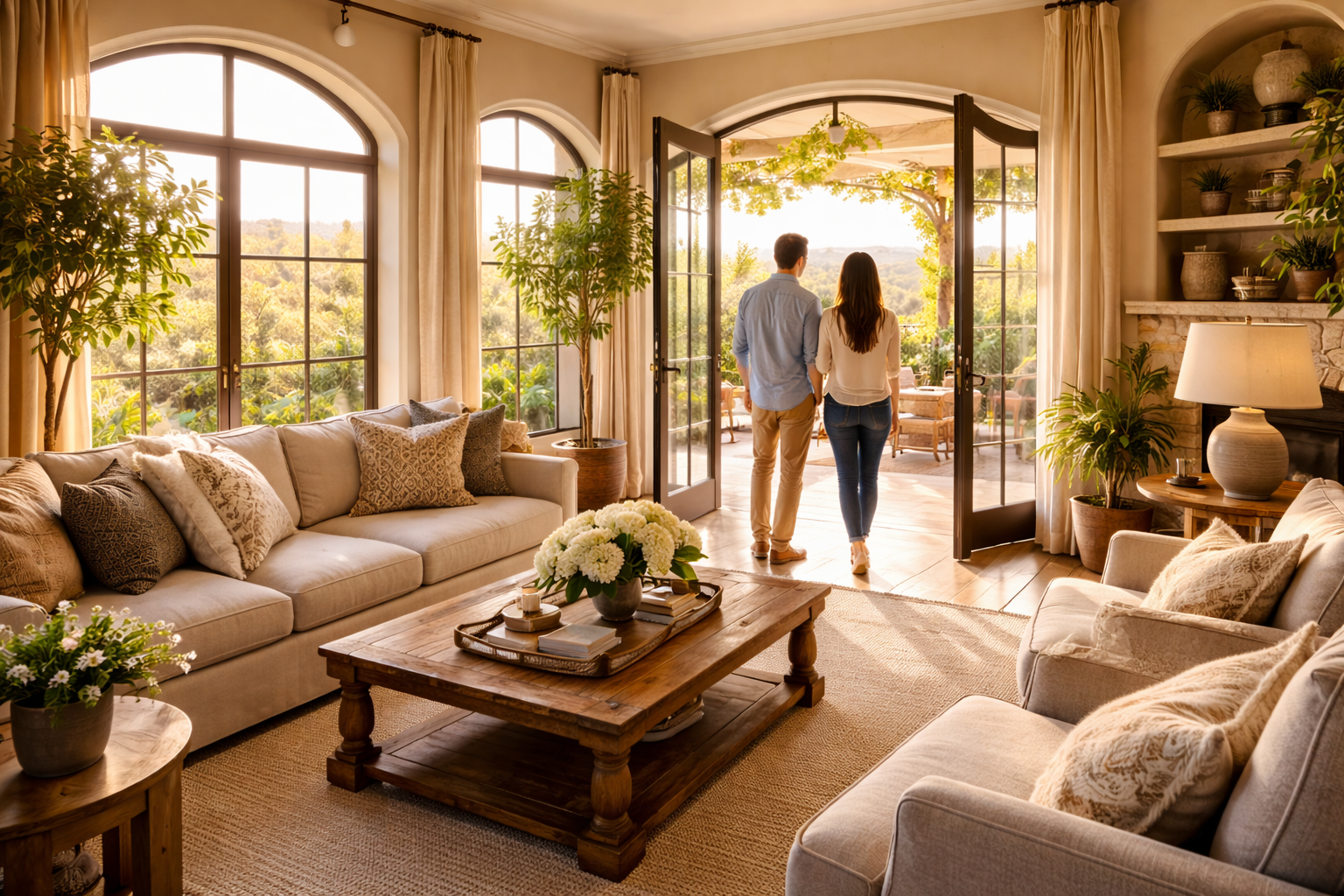
Natural light changes everything inside a home. It makes rooms feel bigger, warmer, and more comfortable. It affects mood, creates a more inviting atmosphere, and helps a house feel alive throughout the day. That is why homeowners are often reluctant to install anything over their windows that might make interiors feel dim or boxed in.
The truth is, a good guard design should protect the opening without overwhelming it. It should work with the window, not fight against it. A lot comes down to pattern, spacing, frame thickness, and how much visual weight the metalwork carries.
When natural light is a priority, homeowners usually benefit from designs that:
- Keep the spacing open enough to avoid a crowded look
- Use clean lines that do not visually block the glass
- Match the size and shape of the window properly
- Avoid excessive ornament that makes the window feel busy
- Feel integrated with the home’s architecture
The goal is simple: security on the outside, brightness and comfort on the inside.
Custom Design Usually Creates the Best Balance
One of the biggest reasons some window guards look too heavy is because they were never designed for the specific home in the first place. Generic pieces often miss the proportions of the window, clash with the style of the exterior, or create more visual blockage than necessary. They may technically cover the opening, but they do not always feel right.
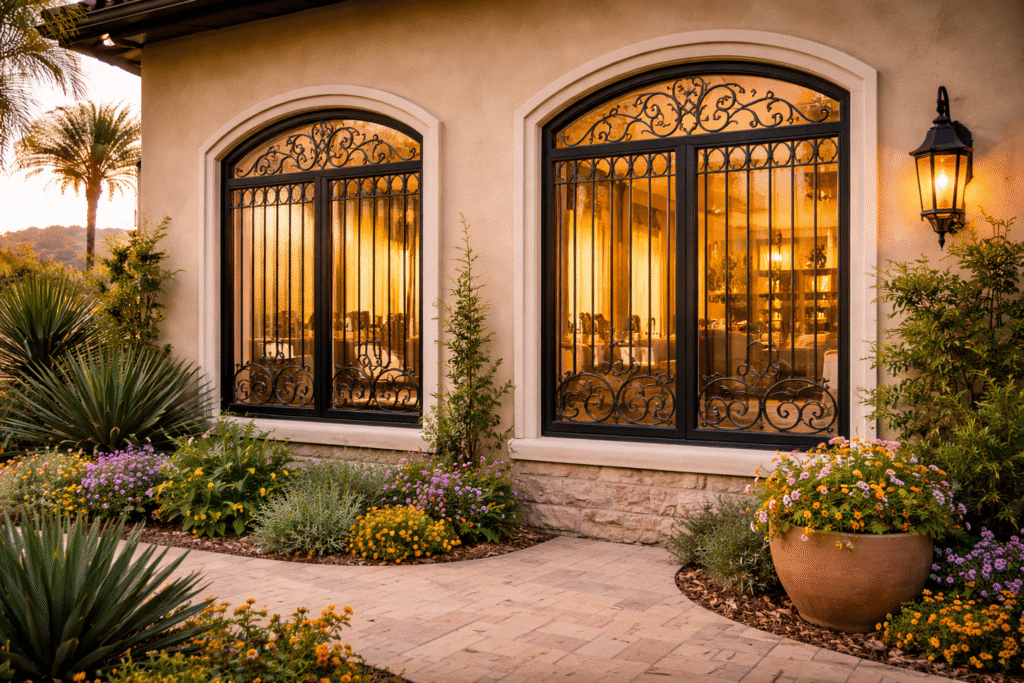
That is why custom window guards are often the best route for homeowners who care about both appearance and function. A custom fit gives you better control over the overall look, including the pattern, frame style, and how open or detailed the design feels. More importantly, it helps the guard feel like it belongs to the house instead of being added as an afterthought.
This matters even more for homes with:
- Arched windows
- Wide front-facing windows
- Distinctive trim or stonework
- Mixed exterior materials
- A more modern or higher-end look
Custom design is often what makes the difference between a home that looks protected and a home that looks overprotected.
Decorative Designs Can Add Security Without Making the Home Feel Harsh
A lot of homeowners want security features that do not look purely utilitarian. They want something protective, yes, but also something that adds character to the home instead of taking it away. That is where decorative window security bars can really stand out.
Decorative does not have to mean excessive. In fact, the best decorative designs are usually the ones that feel balanced. A subtle pattern, a thoughtful curve, or a bit of visual detail can soften the appearance of the guard and make it feel more like a design feature than a barrier.
This kind of style often works especially well for homes with:
- Traditional architecture
- Spanish-inspired or Mediterranean exteriors
- Brick or stucco facades
- Iron accents on gates or doors
- A front elevation that benefits from more detail
When done well, decorative guards can frame a window beautifully while still letting in plenty of light. The trick is knowing when to add character and when to keep things simple.
Clean, Minimal Styles Help Windows Stay Bright
For homeowners who prefer a lighter, more understated look, simpler designs are often the best choice. Less visual clutter usually means the window feels more open from both inside and outside. That is a big reason why modern iron window guards have become so appealing in recent years.
These designs usually rely on straight lines, slimmer profiles, and a more restrained overall appearance. Instead of turning the guard into the center of attention, they allow it to blend into the structure of the home. That makes the window itself feel less obstructed, which helps preserve a brighter interior feel.
Minimal designs are a strong fit for:
- Contemporary homes
- Renovated exteriors
- Homes with black trim or darker accents
- Simple stucco facades
- Homeowners who want security without extra ornament
In many cases, a modern design gives you the protection you want without making the windows feel visually heavy.
The Best Guard Designs Think About the View From Inside
It is easy to focus only on how a guard looks from the street, but the interior perspective matters just as much. After all, you are the one living inside the home. You are the one seeing the window from the kitchen, bedroom, hallway, or living room every day. A design that looks acceptable outside can still feel distracting indoors if it is too dense or poorly proportioned.
This is where smart window protection solutions really come into play. The best solutions do not just secure the window. They also consider visibility, comfort, and how the guard affects the feel of the room. A well-designed guard should support peace of mind without constantly reminding you it is there.
It helps to think about things like:
- How much of the outdoor view remains visible
- Whether the pattern feels too busy from indoors
- How the guard changes the way light enters the room
- Whether the frame blocks too much glass area
- How the design feels during everyday use, not just from the curb
The right design should make the home feel safer, not more confined.
Bedroom Windows Need a Thoughtful Approach
One of the most important places to think carefully about design is the bedroom. Homeowners often want extra protection in sleeping areas, especially on ground-floor windows, but that protection also needs to respect emergency access. Safety should work both ways.
That is why quick-release window guards are such an important option for certain parts of the home. These systems allow for protection while still making it possible to open the guard from inside if needed. For bedrooms, that combination is often essential.
A bedroom guard should ideally offer:
- Dependable security from the outside
- A practical release mechanism inside
- A design that does not block too much light
- A look that still feels calm and residential
- Easy everyday livability
This is a great reminder that the best design is not only about appearance. It is also about how well the feature supports real life inside the home.
Placement Can Affect Light Just as Much as Design
Another thing homeowners sometimes miss is that the impact on natural light is not only about the guard style. It is also about where guards are installed. Some windows absolutely benefit from extra protection, while others may not need it in the same way. A strategic approach often creates a better overall result than covering every opening without much thought.
For example, homeowners may choose to prioritize:
- Ground-level side windows
- Backyard windows with less visibility
- Windows near gates or access points
- Openings hidden by walls or landscaping
- Rooms where security is a bigger concern
This kind of selective planning helps maintain a lighter, more open feeling throughout the home. It also keeps the exterior from looking too uniform or too dense with metalwork.
The Best Results Feel Natural, Not Forced
A well-designed window guard should not make your home feel defensive or closed off. It should feel like a natural extension of the property. It should support the architecture, solve a real need, and fit into the home’s look without overwhelming it.
That usually happens when homeowners focus on the full picture instead of just one feature at a time. Security matters, of course. But so do light, comfort, visibility, and the way the home presents itself from the street. The best results come from balancing all of those things instead of sacrificing one for another.
When comparing options, it helps to ask:
- Does this design fit the style of my home?
- Will it still allow enough light into the room?
- Does it look balanced from the street?
- Will it feel too heavy from the inside?
- Is it solving the right problem in the right place?
Those questions usually lead to better choices than focusing only on protection alone.
Final Thoughts
The right window guard design can absolutely improve security without making a home feel darker or less inviting. The key is choosing something that respects both the exterior look of the property and the interior experience of living in it. When the design is thoughtful, the lines are balanced, and the placement makes sense, window guards can feel like a smart upgrade instead of a visual compromise. A home should feel protected, but it should also feel open, comfortable, and full of light.