Choosing a fence sounds simple until you realize the front yard and the backyard usually need very different things. A fence in the front of the home is often about appearance, curb presence, and creating a clean, defined look from the street. A fence in the back, on the other hand, is usually more about privacy, containment, security, and everyday function. That difference matters a lot when you are planning a project for your property.
For homeowners considering fence installation El Paso TX, the best results usually come from thinking beyond the idea of “just getting a fence.” The smarter approach is to look at how each part of the property is used and what kind of fence actually makes sense in each space. A front yard fence and a backyard fence can absolutely work together, but they do not always need to look identical or serve the same purpose.
At HF Iron Works & Fence LLC, the goal is not just to add a boundary. It is to create something that fits the home, supports daily life, and makes the property feel more complete. If you are deciding between front yard and backyard fencing, here is what is worth thinking through before moving forward.
Front Yard Fencing Is Usually More About First Impressions
The front yard is the most visible part of the property. It is what neighbors, guests, and anyone passing by sees first. Because of that, the fence in this area often has a bigger design role than people initially expect. It does not just define space. It helps shape the appearance of the home from the street.
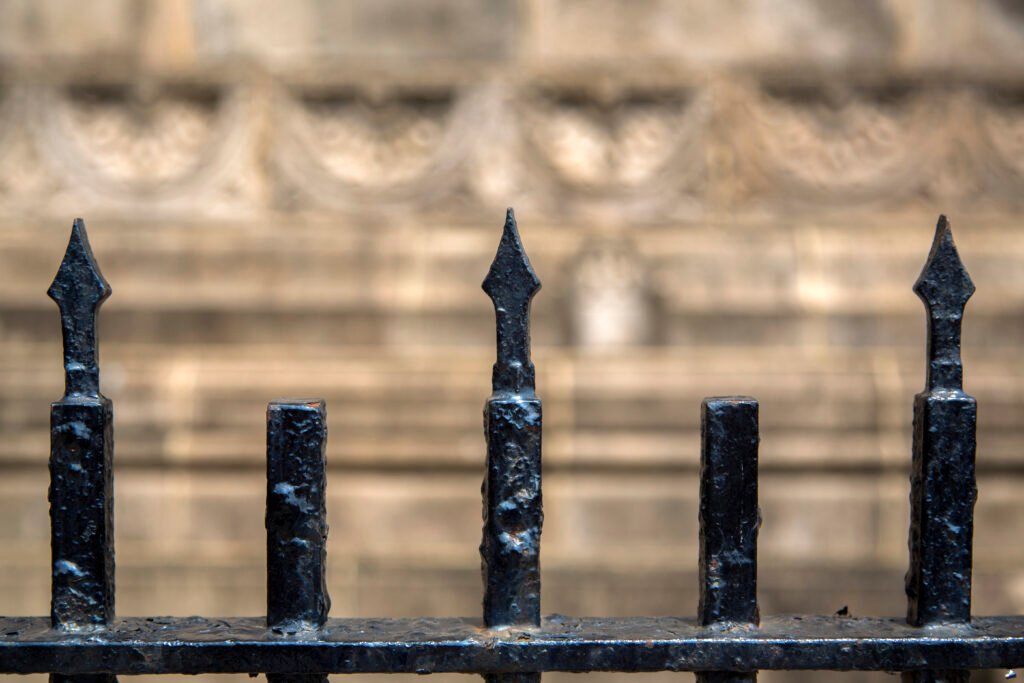
That is one reason a wrought iron fence is such a popular option for front-facing areas. It creates a clean, elegant boundary without completely closing off the view of the house. That open feel can be a huge advantage when homeowners want a more polished and secure look but still want their landscaping, entry path, or architecture to remain visible.
Front yard fencing often works best when it helps achieve a few specific goals:
- Define the property line clearly
- Add structure to the home’s exterior
- Keep the front of the house visually open
- Improve curb appeal without feeling bulky
- Create a more finished and intentional look
In many cases, the front fence becomes part of the home’s overall style. That is why appearance tends to matter more in this area than people first assume.
Backyard Fencing Is Usually More About Function
The backyard tends to be a different story. This is where families spend time, where pets run around, where kids play, where outdoor furniture sits, and where homeowners usually want a little more privacy and control. Because of that, backyard fencing often needs to work harder from a functional standpoint.
For many properties, chain link fence El Paso continues to be a practical option for back and side areas because it provides dependable enclosure, clear boundaries, and a more budget-conscious way to secure larger spaces. It may not bring the same decorative presence as iron in the front yard, but it can be very effective when the priority is coverage, containment, and day-to-day use.
Backyard fencing often needs to support things like:
- Keeping pets safely enclosed
- Creating a more secure area for children
- Defining the usable outdoor space
- Managing access through side or rear gates
- Adding separation from neighboring properties
That is why the right fence for the backyard is often the one that makes life easier, even if it is not the most decorative feature on the property.
The Best Fence Choice Depends on How You Use Each Space
One of the biggest mistakes homeowners make is assuming the same fence style needs to go everywhere. Sometimes that works beautifully, but sometimes it is not the most practical or attractive solution. The front yard and backyard often serve completely different purposes, so it makes sense that the fencing strategy might be different too.
This is where custom fencing solutions can make a real difference. A custom approach allows homeowners to think in terms of zones rather than one single rule for the entire property. Maybe the front needs something more refined and visible, while the back needs something simpler and more functional. Maybe one side of the house needs stronger containment, while another needs easier access.
A more tailored plan can help with:
- Uneven lot shapes
- Mixed front and back priorities
- Different levels of visibility around the home
- Entry points that need separate treatment
- A better overall balance between style and function
The result usually feels more thoughtful because the fence is responding to the property instead of forcing the entire property into one idea.
Security Looks Different in the Front and Back
Homeowners often talk about security as one broad category, but the truth is that security needs can change depending on where the fence is located. The front yard may need a boundary that adds presence, discourages direct access, and defines the entry in a clean way. The backyard may need stronger enclosure, gate control, and more privacy for day-to-day living.
That is why residential fence security should be considered in a more detailed way. It is not only about choosing a strong material. It is also about thinking through layout, visibility, gate placement, and how each section of fencing supports the way the home is used.
For example, front-yard security might focus on:
- Creating a visible boundary
- Defining entry paths
- Supporting a more controlled front approach
- Making the property feel more established
Backyard security might focus more on:
- Containing pets and children
- Limiting access from side or rear areas
- Securing less visible parts of the property
- Supporting private outdoor use
Both matter, but they are not always solved in the same way.
Style Should Match the Part of the Property It Serves
A fence should not feel disconnected from the house or from the specific area where it is installed. Front fencing usually benefits from a more polished and design-conscious look because it becomes part of the public face of the property. Backyard fencing can lean more practical, but it still needs to feel appropriate for the home.
This does not mean front yard equals decorative and backyard equals plain every single time. It simply means the visual priorities often shift depending on where the fence is going.
It helps to ask yourself:
- Will this fence be one of the first things people notice?
- Do I want the house to remain visible from the street?
- Is privacy more important in this section of the yard?
- Does the material make the space feel too open or too closed?
- Will the fence complement the architecture of the home?
Those questions usually point homeowners toward a better fit than focusing on price or material alone.
Budget Plays a Different Role Depending on Fence Location
Budget is always part of the conversation, but it becomes even more interesting when you are deciding how to divide priorities between front and back yard areas. Some homeowners choose to invest more in the front where the fence has a bigger visual impact and go with something more practical in the back. Others want a consistent look throughout the property and build the budget around that.
This is where thinking in terms of affordable fence options can be more helpful than simply looking for the lowest number. Affordable does not have to mean basic or cheap-looking. It means choosing materials and layouts that make sense for the goals of each section of the property.
A smart budget strategy might involve:
- Prioritizing decorative impact where it matters most
- Using more practical materials in larger backyard areas
- Investing in better gates at key access points
- Balancing appearance and function across the whole lot
- Choosing a design that delivers long-term satisfaction
That kind of approach usually leads to a result that feels more intentional and more realistic for the way people actually live.
Front and Backyard Fences Can Work Together Without Matching Exactly
A lot of homeowners worry that using different fencing approaches in different areas will make the property look inconsistent. But that is not necessarily true. What matters more is that the choices feel coordinated. The materials, finishes, proportions, and transitions should make sense together, even if the fence style changes from one area to another.
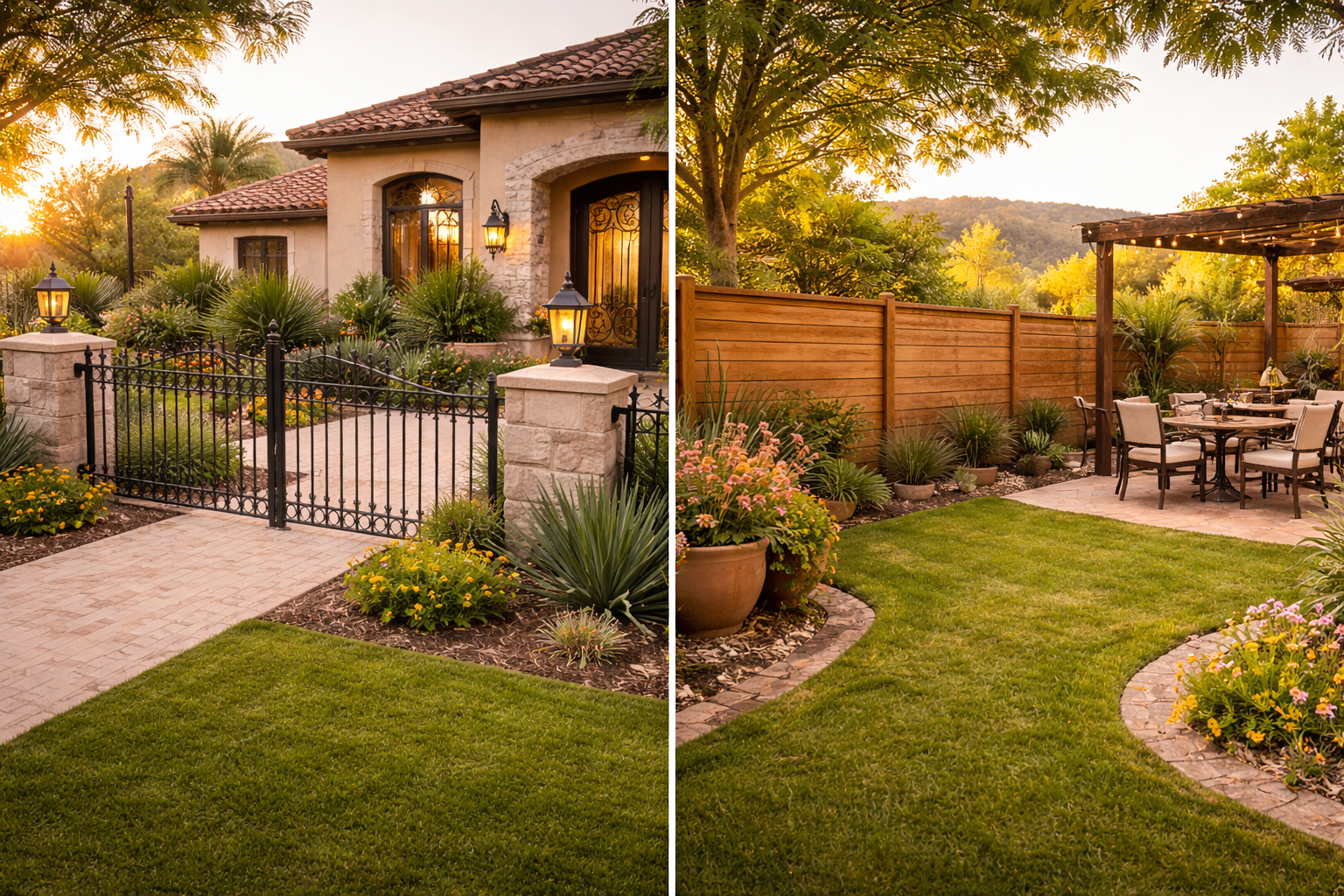
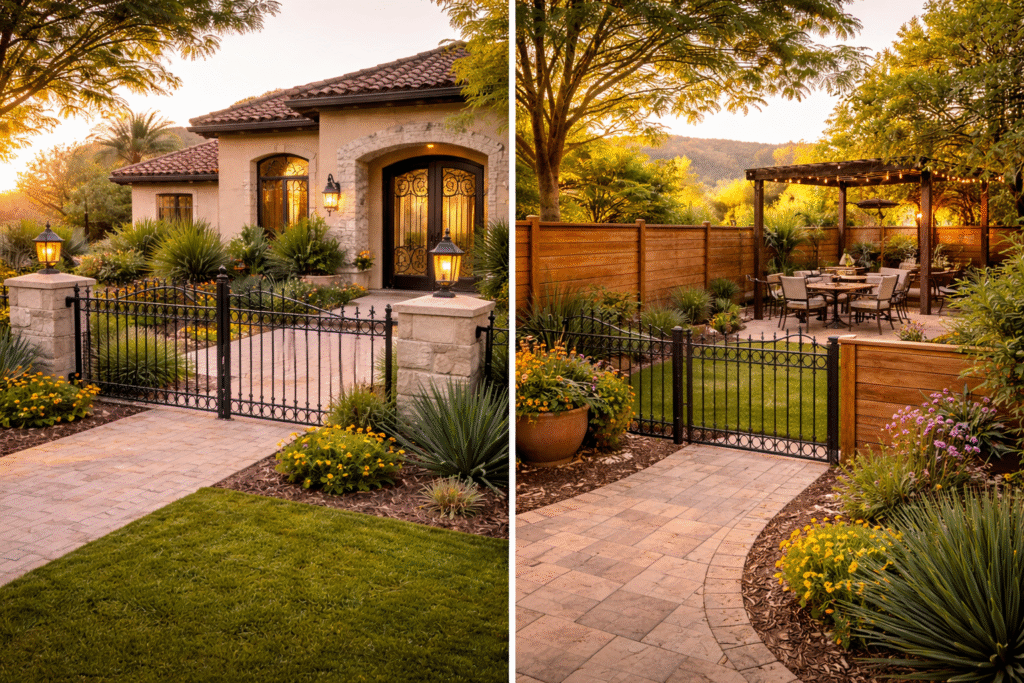
A front fence can feel more architectural and open, while the backyard fence handles privacy and practical enclosure. As long as the overall plan feels connected, the property can still look cohesive.
That connection can come from:
- Complementary colors or finishes
- Consistent gate details
- Similar proportions or line styles
- A layout that transitions smoothly between areas
- Materials that feel compatible with the home’s exterior
Good design does not always mean repeating the exact same element. Sometimes it means making different choices that still belong to the same story.
Think About Daily Life, Not Just Installation Day
It is easy to choose a fence based on how it looks during the decision process, but the better question is how it will feel once it is part of daily life. Will it make the front of your home look stronger and more attractive? Will it make the backyard easier to use and more secure? Will the gates be where you need them? Will the fence support the way your family actually moves through the property?
Those are the questions that usually matter most in the long run.
A fence becomes part of your routine in a lot of small ways:
- You see it every time you arrive home
- You use its gates regularly
- You rely on it for privacy and security
- You build outdoor habits around it
- You experience how it looks from both inside and outside the property
That is why the right fence is not only the one that installs well. It is the one that continues to make sense after months and years of daily use.
Final Thoughts
Choosing the right fencing for the front yard and backyard is really about understanding that different areas of your property often need different things. One side may call for stronger curb appeal and a more refined look, while another may need simple function, enclosure, and everyday practicality. The best results come from thinking about style, security, budget, and how each part of the yard is actually used. When those decisions are made thoughtfully, the fence does more than mark the property line. It helps the whole home feel more complete, more useful, and more in sync with the way you live.