Choosing a new fence sounds easy until you realize how many small decisions actually shape the final result. Material matters, of course, but height and layout are just as important. A fence that is too low may not give you the privacy you want. A fence that is too tall or poorly planned can make the yard feel boxed in. And if the layout does not match the way you actually use your property, even a good-looking fence can become frustrating over time.
That is why homeowners planning fence installation El Paso TX usually get the best results when they think beyond the fence panels themselves. A smart fence is not just about marking a boundary. It should make daily life easier, help the property feel more secure, and fit naturally with the home’s overall look.
At HF Iron Works & Fence LLC, the right fence height and layout usually come down to three real-life priorities: privacy, pets, and peace of mind. If you are trying to balance those needs on your property, here are the biggest things worth thinking through before making a final decision.
Start With the Real Reason You Want a Fence
Before picking a height or sketching out a layout, it helps to be honest about what the fence is supposed to do for you. Some homeowners want a quiet backyard that feels more private. Others mainly want a safe space for kids or pets. Some care most about making the property feel more secure. And for many people, it is a mix of all three.
That main goal matters because it influences nearly every choice that follows.
For example:
- A privacy-focused fence may need more height and less visibility
- A pet-friendly fence may need careful attention to gaps and gates
- A front-yard fence may prioritize appearance over full enclosure
- A security-minded fence may focus on access control and stronger boundaries
- A decorative fence may need to define the property without making it feel closed off
The more clearly you understand your main priority, the easier it becomes to choose a height and layout that truly fits your home.
Fence Height Changes How the Property Feels
Height is one of the first things people think about, and for good reason. It affects privacy, visibility, curb appeal, and overall comfort in the yard. But there is no one perfect height for every property. The right choice depends on where the fence is going and what you want it to accomplish.
A front-yard fence often benefits from a lower, more open look that defines the property without hiding the home. A backyard fence may need more height if the goal is privacy or stronger containment. The mistake many homeowners make is choosing height based only on appearance or copying what they saw somewhere else, without thinking about how the fence will actually function on their lot.
It helps to ask questions like:
- Do you want to block views from neighbors or passersby?
- Do you want to keep the front of the home visible from the street?
- Do you need a better barrier for pets?
- Will a taller fence make the yard feel too enclosed?
- Does the height fit the scale of the house and lot?
Those answers usually point you toward something far more useful than guessing.
Front Yard and Backyard Layouts Usually Need Different Thinking
A lot of homeowners assume the same fence strategy should apply to the whole property, but that is not always the best approach. The front yard and backyard usually serve different purposes, which means the layout should reflect that.
In the front, homeowners often care more about visual balance, entry flow, and curb appeal. In the back, the focus tends to shift toward privacy, enclosure, and functional use. That difference can completely change what makes sense.
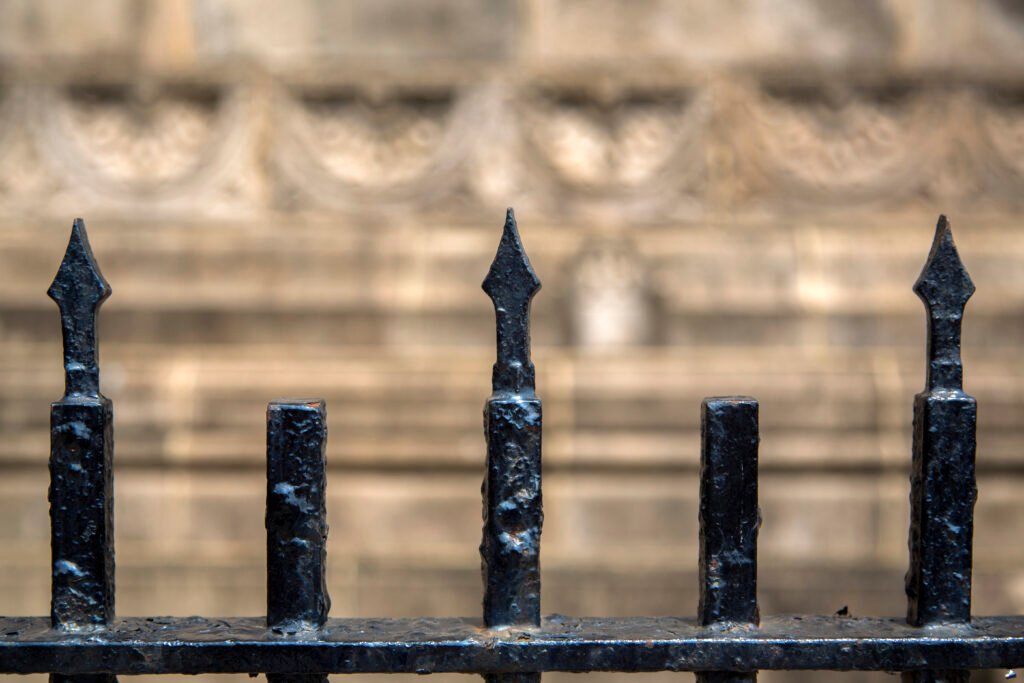
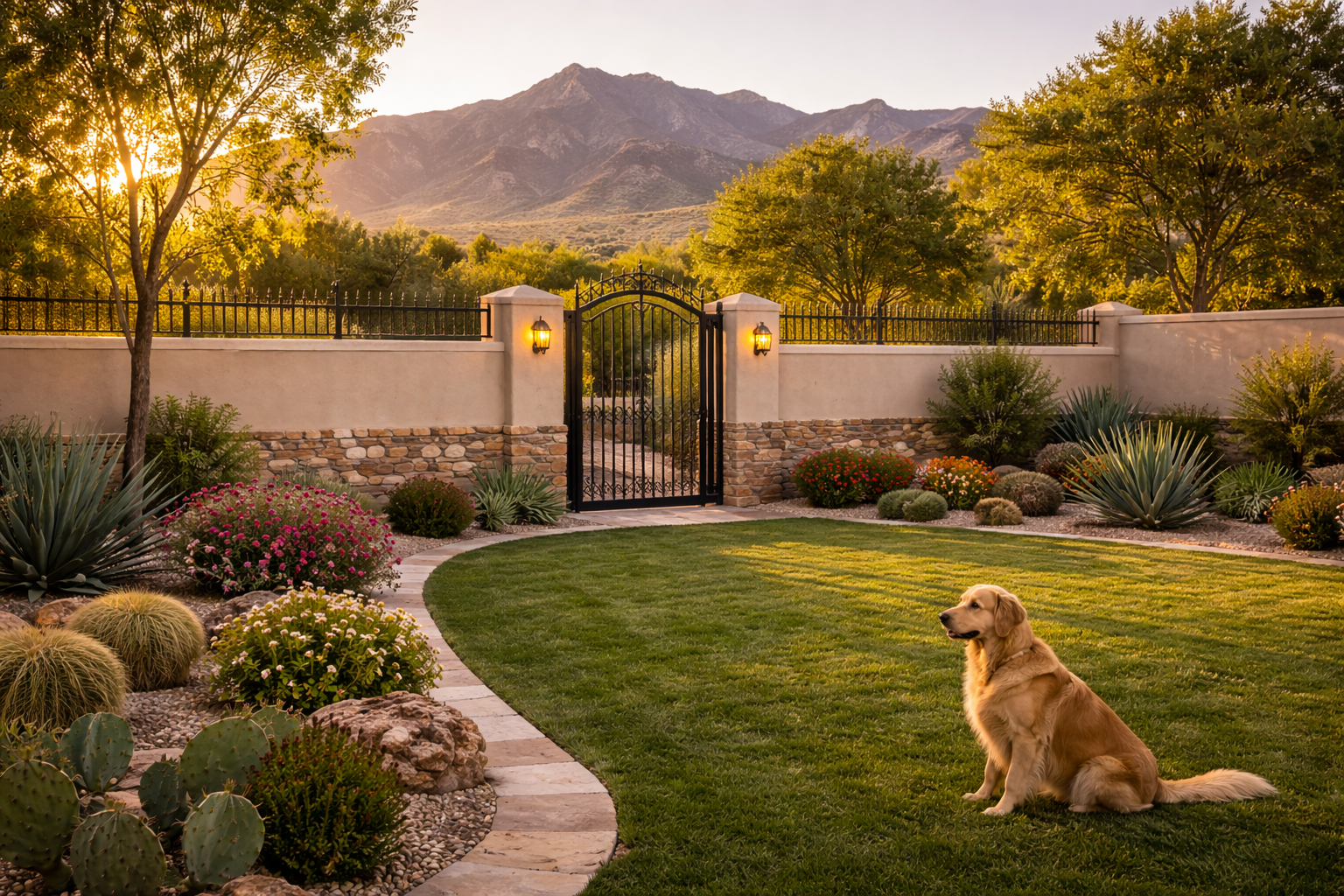
This is one reason a wrought iron fence often works beautifully in a front-facing area. It can create a clean, elegant boundary while still letting the home remain visible. It defines the space without making the property feel shut off from the street.
In the backyard, though, many homeowners may need something that prioritizes enclosure and practicality more directly. That is where layout becomes just as important as style. A fence should follow the way you actually move through the property, not just the outer lines on paper.
Pet Safety Depends on More Than Just Closing the Yard
If pets are one of the main reasons for the project, the layout needs extra attention. A fence that technically surrounds the yard may still fall short if there are gaps, awkward corners, or gate placements that make daily use harder than it needs to be.
Pet-friendly fence planning often means thinking through:
- Where pets spend the most time
- Whether they tend to jump, dig, or push against boundaries
- How much open running space they need
- Whether gates are placed in the most practical areas
- How the fence transitions around side yards and corners
For some homes, chain link fence El Paso can be a practical solution for pet containment, especially in side and backyard areas where the goal is reliable enclosure over decorative appearance. It can help define the space clearly while covering larger areas efficiently.
The best pet layout is usually the one that makes your routine easier, not just the one that closes off the property.
Privacy Works Best When the Layout Supports It
Privacy is not only about fence height. It is also about placement. A fence can be tall and still fail to create comfort if the layout leaves the most exposed parts of the yard too open. On the other hand, a thoughtful layout can make even a modest yard feel more sheltered and usable.
Homeowners often get better privacy results when they pay attention to:
- Which sides of the yard face neighbors most directly
- Where outdoor seating or gathering areas are located
- Whether side yards need stronger screening
- How the fence aligns with patios, pools, or play areas
- Whether gates create open sightlines into the yard
This is where custom fencing solutions can really help. A custom approach makes it easier to shape the fence around the real experience of the property instead of relying on a one-size-fits-all layout. It can help create a yard that feels more comfortable, more usable, and better suited to how you actually live outside.
Security Is About Structure, Access, and Visibility
A lot of homeowners talk about security as if it only comes down to choosing a strong material, but that is only part of it. Security is also about how the fence controls access, how stable it feels, and how well the layout supports the rest of the property.
This is why residential fence security is really a combination of several factors working together. Fence height matters, but so do the gate locations, the visibility around entrances, and the way the fence defines approach points around the home.
A more security-conscious layout often includes:
- Clearly defined entry and exit points
- Gates placed where they can be used and monitored easily
- Fencing that reduces easy access to side or rear areas
- A structure that feels solid and intentional
- A layout that supports the natural flow of the property instead of creating weak spots
A fence does not have to make a home feel severe to improve security. In many cases, it simply needs to make the boundary feel more organized and dependable.
Budget Should Support the Right Priorities
Fence projects always involve budget decisions, but it helps to think in terms of priorities instead of only price. A lower-cost fence is not automatically the wrong decision. It just needs to make sense for the property and the goal. The same goes for more decorative or customized options. The right choice is the one that delivers what you actually need without paying for features that do not matter to your daily life.
That is why it helps to think about affordable fence options as solutions that balance cost, function, and long-term satisfaction. A fence should fit your budget, but it should also leave you with a result that feels useful and well planned.
When weighing cost, it helps to think about:
- The size of the area being fenced
- Whether front and back yard needs are different
- The importance of appearance versus function
- The role of gates in the overall project
- How long you want the fence to serve the property well
An affordable project is not the one with the lowest number. It is the one that makes sense both now and later.
Good Layout Makes Everyday Life Easier
One of the most overlooked parts of fence planning is how much layout affects daily convenience. You notice it every time you carry groceries through a side gate, let the dog out, move patio furniture, or take out the trash. A fence that looks fine on installation day can become annoying fast if the gates are in awkward spots or the yard flow does not feel natural.
That is why practical layout decisions matter so much.
A smart fence layout usually considers:
- How you move between front, side, and back yard areas
- Which gates get used most often
- Whether certain areas need to stay more open
- How the fence interacts with driveways, walkways, and landscaping
- Whether the enclosed space actually supports the way your family uses the yard
These details may seem small at first, but they are the ones you end up living with every day.
The Best Fence Feels Like It Belongs There
A well-planned fence should not feel like a random barrier dropped onto the property. It should feel like part of the home. It should match the scale of the lot, support the look of the exterior, and solve the right problems without creating new ones.
That is usually what happens when height, layout, and purpose all line up. The fence gives you the privacy you wanted. It keeps pets where they need to be. It adds confidence around the property. And it does all of that while still feeling visually balanced.
The strongest fence projects are rarely about one single feature. They work because all the pieces support each other:
- The height feels right
- The layout feels practical
- The gates are where they need to be
- The material fits the goal
- The finished result improves the way the property works
That is what makes a fence feel like a real upgrade instead of just another exterior project.
Final Thoughts
Choosing the right fence height and layout is really about understanding how you want your property to feel and function every day. Privacy, pet safety, and security all matter, but they are not solved in exactly the same way on every lot. The best results come from thinking carefully about how each part of the yard is used, where boundaries matter most, and what kind of setup will still feel right long after installation day. When the height, layout, and purpose all come together, the fence becomes more than a boundary. It becomes a useful, lasting part of how your home works.