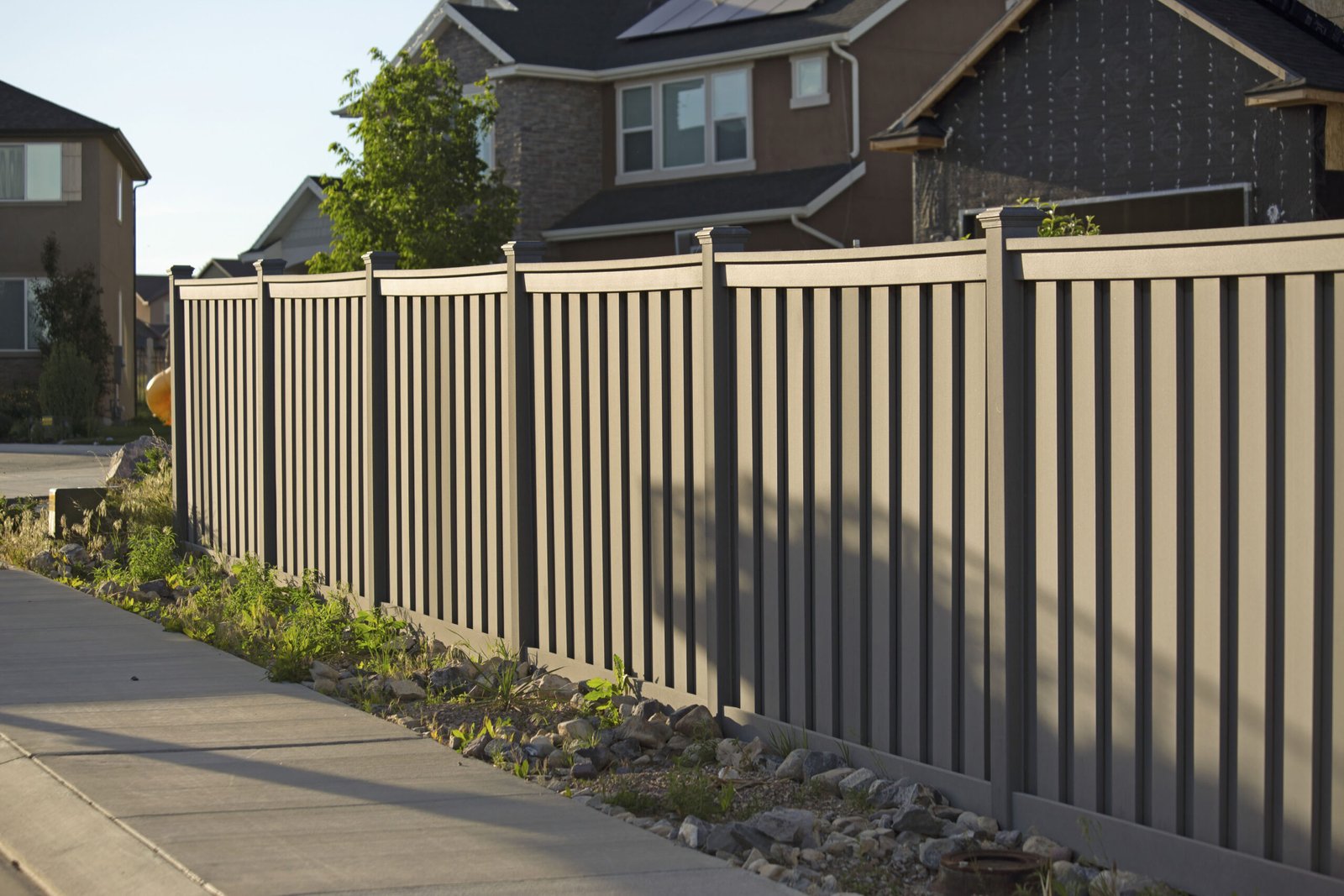
If a new fence is on your summer to-do list, spring is really the season when the smart decisions happen. By the time summer rolls around, most homeowners want the project moving, not just starting. They want the yard to feel ready, the layout to make sense, and the final result to actually match the way they use the property. That is why planning early matters more than people think.
A fence is not just a line around the yard. It affects privacy, security, curb appeal, pet safety, traffic flow, and even how comfortable the outdoor space feels day to day. So if you are already thinking ahead to warmer weather, gatherings, more outdoor time, or just finally getting that project done, spring is the best moment to step back and figure out what the property really needs.
For homeowners considering fence installation El Paso TX, early planning can make the entire process feel easier and much more intentional. At HF Iron Works & Fence LLC, the best fence projects usually start before the weather gets hot and before the project becomes urgent. They start with clear priorities, a realistic plan, and a better understanding of how the fence should actually work for the home.
Spring Is the Best Time to Think Clearly About Your Yard
There is something about spring that makes outdoor projects feel more manageable. You can actually walk the yard, notice where the space feels too open, and see how the property works before the full heat of summer changes how often you want to be outside. It is easier to think clearly about what is missing when the project still feels proactive instead of rushed.
This is usually when homeowners start noticing things like:
- The backyard feels too exposed
- The side yard needs better definition
- The front yard could use a cleaner boundary
- Pets need a safer enclosed space
- The layout does not support how the family actually uses the yard
That kind of clarity is useful. It keeps the fence project from becoming just another exterior upgrade and turns it into something more practical. You are not only choosing a material. You are deciding how the property should function through summer and beyond.
Start With the Reason You Want a Fence
Before picking styles or comparing materials, it helps to get honest about why you want a fence in the first place. That answer drives nearly every other decision. A fence meant for privacy may need a very different approach than one meant for appearance, pet containment, or added peace of mind.
A lot of homeowners benefit from asking themselves a few basic questions first:
- Do I want more privacy, more security, or both?
- Is this mostly for the backyard, front yard, or full perimeter?
- Am I trying to keep pets or kids safely enclosed?
- Do I want the fence to improve curb appeal too?
- Is budget the main concern, or is long-term value more important?
Once the purpose is clear, the project starts to make more sense. Without that step, it is easy to get distracted by fence styles that look good in theory but do not actually solve the problem you have at home.
Think About How Summer Changes the Way You Use the Yard
One of the smartest things homeowners can do in spring is plan for how they will actually use the property once summer arrives. A fence may look fine on paper, but if it does not support daily life, it quickly becomes disappointing.
Summer usually means more time outside, more movement between house and yard, and more attention to comfort and function. So it helps to think ahead:
- Where will people enter and exit most often?
- Will the backyard be used for grilling, relaxing, or hosting?
- Do pets need room to move freely and safely?
- Will kids be playing in the yard regularly?
- Are there areas that need more privacy from neighbors?
A fence should make summer easier, not just mark a line around the lot. That is why spring planning is so useful. It gives you time to think through how the yard should feel once outdoor season is in full swing.
Material Choice Should Match the Space, Not Just the Budget
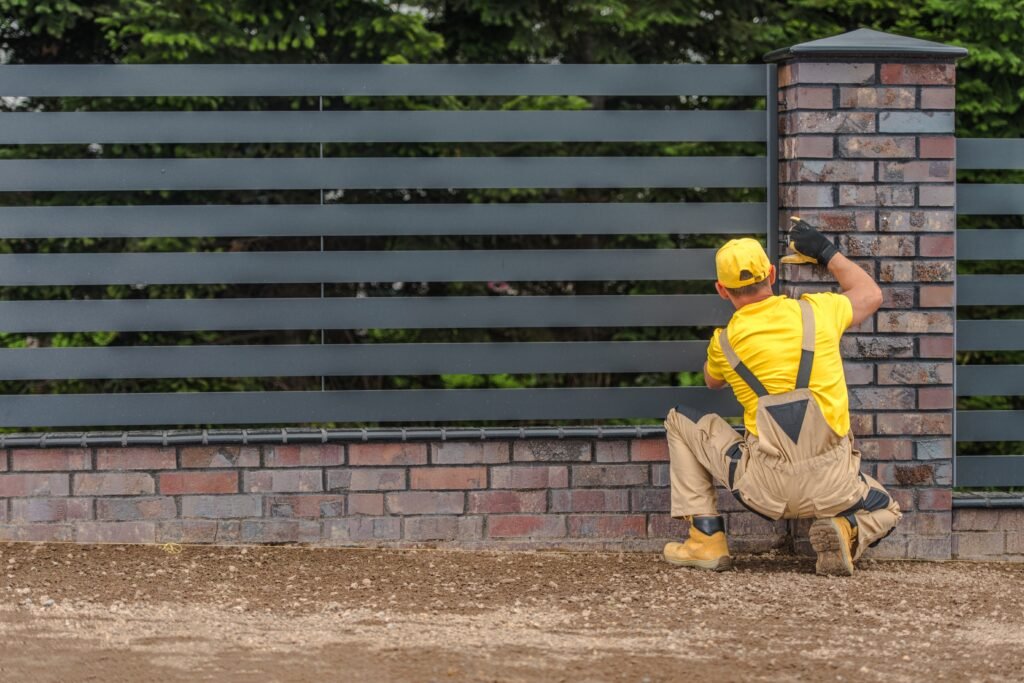
Material is one of the biggest decisions in any fence project, but it helps to think about it in context. The right choice depends on where the fence is going, how visible it will be, and what job it needs to do.
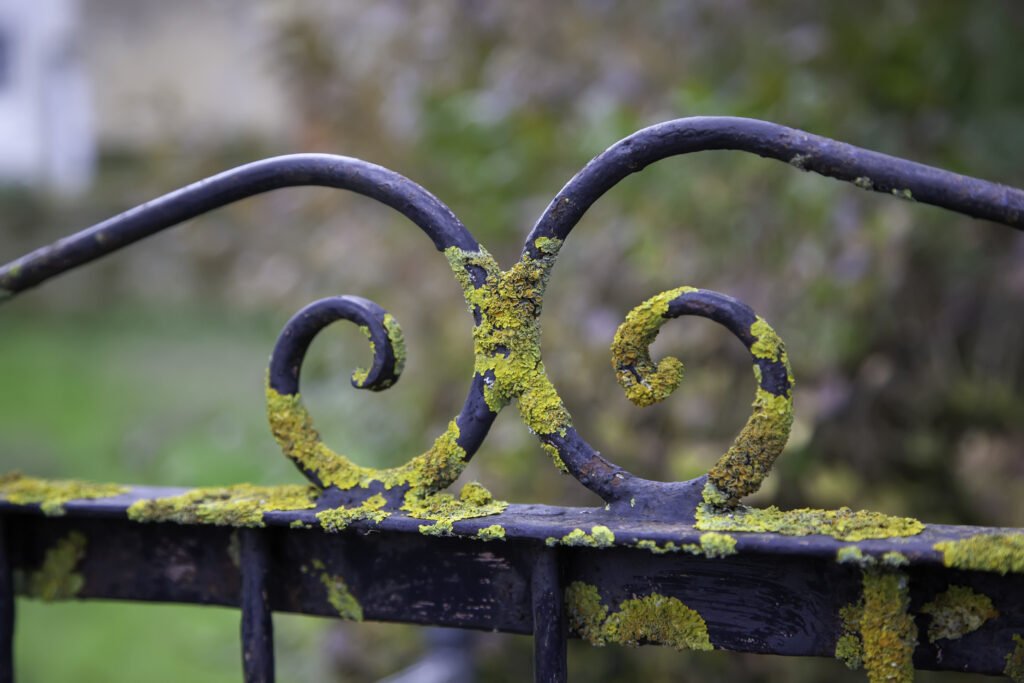
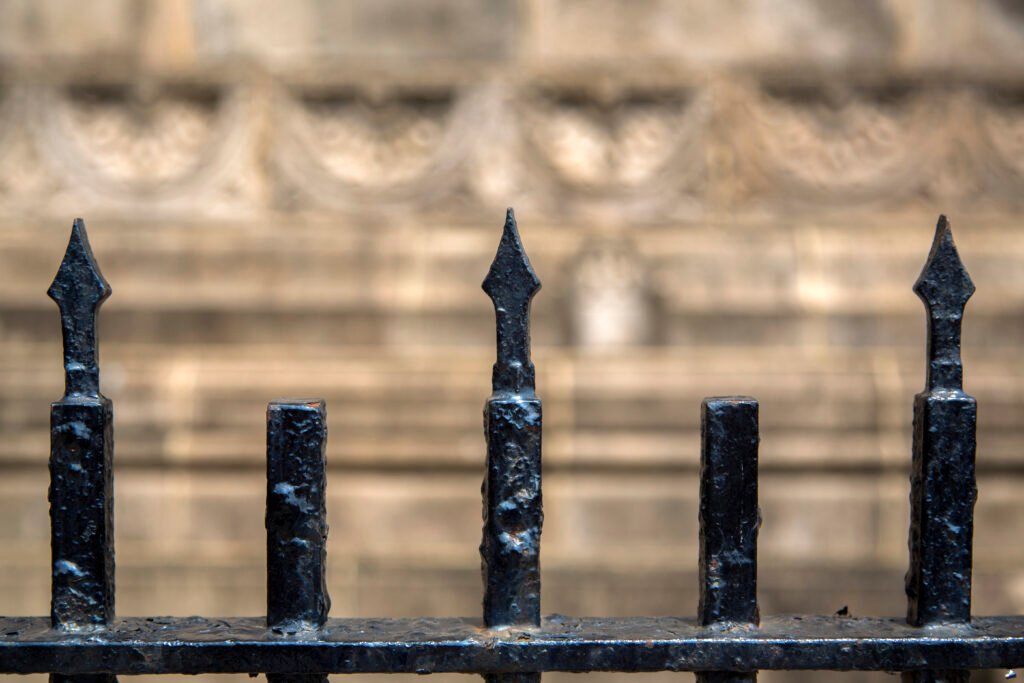
For example, a wrought iron fence can be a strong choice for front-facing areas where appearance matters. It gives the property definition and style without making the home feel closed off from the street. It often works especially well for homeowners who want a more polished look and a fence that contributes to curb appeal.
On the other hand, some yards need a more practical solution for larger areas, side yards, or backyard containment. In those cases, chain link fence El Paso may be a better fit, especially when the priority is reliable enclosure, pet safety, and efficient coverage.
The point is not that one material is universally better. It is that the material should fit the goal of that part of the property.
Layout Matters More Than Most Homeowners Expect
A lot of fence problems are not really material problems. They are layout problems. A fence can be made from the right material and still feel inconvenient if the gates are in the wrong places, the enclosed areas are awkward, or the design ignores how people actually move through the yard.
That is why spring is such a good time to map out the layout before the project starts. Walk the yard. Notice the daily patterns. Think about where access matters most.
A smart layout often includes thinking through:
- Side gate placement
- Backyard entry points
- How the fence meets the driveway
- Whether certain areas should stay more open
- How the fence works with patios, landscaping, or storage areas
This is where custom fencing solutions can make a big difference. A custom plan allows the fence to respond to the actual shape and use of the property instead of forcing a generic layout onto a space that needs something more thoughtful.
Privacy and Security Should Be Planned Together
Homeowners often talk about privacy and security like they are separate issues, but in many yards, they overlap. A fence that gives you better privacy can also help the property feel more protected. At the same time, a fence designed with security in mind should still feel livable and natural.
That is why residential fence security works best when it is part of the planning from the beginning, not something added later as an afterthought. A fence should help define the property clearly, support controlled access, and give the home a stronger sense of structure.
This usually comes down to a few key decisions:
- Where gates should be placed
- Which parts of the yard feel most exposed
- How visible side and rear access points are
- Whether the front and back need different approaches
- How open or enclosed the property should feel overall
When these things are planned early, the finished fence tends to feel much more useful and much less random.
Spring Is the Time to Be Realistic About Budget
Budget always matters, and spring is a good time to think about it without the pressure of wanting the fence finished immediately. When homeowners wait until peak summer urgency, they sometimes make rushed choices based only on speed or upfront cost. Planning earlier gives you room to think more clearly.
That is why it helps to focus on affordable fence options in a smarter way. Affordable does not just mean the lowest price. It means choosing something that works for your goals, fits your property, and feels worth the investment over time.
A realistic budget conversation should include:
- The size of the area being fenced
- Whether all sections need the same material
- How many gates are needed
- Whether appearance matters as much as function
- How long you want the fence to serve you well
Sometimes a budget-friendly choice is exactly right. Other times, spending a little more gives you a much better long-term result. The key is matching the investment to what matters most for your home.
Curb Appeal Still Matters, Even for Practical Projects
It is easy to think of a fence as purely functional, especially if the main goal is privacy or containment. But fences are also highly visible exterior features. They shape how the property looks from the street, from the yard, and even from inside the house. That means appearance should still be part of the conversation.
A well-planned fence can help:
- Make the property look more finished
- Define the front yard more cleanly
- Support the style of the home
- Improve visual balance across the lot
- Make the outdoor space feel more intentional
This does not mean every fence has to be decorative. It just means the fence should feel like it belongs to the property instead of looking like a rushed add-on.
The Best Summer Fence Projects Usually Start in Spring
By the time summer arrives, most homeowners want to enjoy the result, not still be figuring out the basics. That is why spring is the real foundation of a successful summer fence project. It gives you the space to think clearly about purpose, layout, materials, budget, and how the fence will actually improve daily life.
When spring planning is done well, the whole project tends to feel smoother because the major decisions have already been made with intention. You are not reacting. You are preparing.
That preparation usually leads to a fence that:
- Fits the yard more naturally
- Supports how the family uses the space
- Balances style and practicality
- Feels worth the investment
- Continues to make sense long after summer ends
That is the kind of project homeowners tend to feel best about.
Final Thoughts
If you are planning a fence for summer, spring is the time to do the thinking that makes the final result work. It is the best season to look honestly at your yard, define your priorities, and make decisions that fit the way you actually live. A good fence should do more than surround the property. It should improve privacy, support safety, and make the outdoor space feel more complete and more enjoyable to use. When the planning starts early, the finished project usually feels more natural, more practical, and much more satisfying in the long run.